Hey there! I’m a supplier of gear pumps, and I’ve been in this game for quite a while. One of the most common questions I get from customers is how to achieve pressure control of a gear pump. Well, I’m here to break it down for you in a way that’s easy to understand. Gear Pump
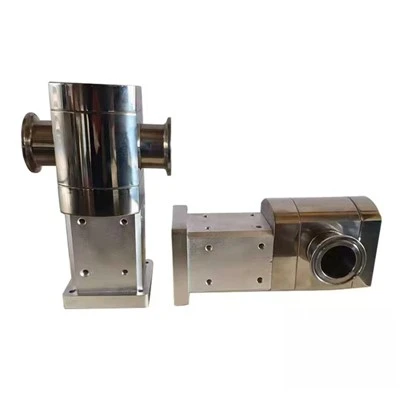
Understanding the Basics of Gear Pumps
First things first, let’s talk a bit about how gear pumps work. A gear pump is a type of positive displacement pump. It uses the meshing of gears to pump fluid by displacement. There are two main types: external gear pumps and internal gear pumps. In an external gear pump, two external gears mesh together, while in an internal gear pump, an outer gear and an inner gear are used.
The basic principle is that as the gears rotate, they create a void on the suction side, which draws fluid into the pump. Then, as the gears continue to rotate, the fluid is trapped between the teeth of the gears and the pump housing and is transferred to the discharge side. This process creates pressure, but sometimes, you need to control that pressure for your specific application.
Why Pressure Control is Important
Pressure control in a gear pump is crucial for several reasons. If the pressure is too high, it can cause damage to the pump itself, the piping system, and any other components in the system. High pressure can lead to leaks, premature wear and tear, and even system failure. On the other hand, if the pressure is too low, the pump may not be able to deliver the required flow rate, which can affect the performance of the entire system.
Methods of Achieving Pressure Control
Relief Valves
One of the most common ways to control the pressure of a gear pump is by using a relief valve. A relief valve is a safety device that opens when the pressure in the system exceeds a pre – set limit. It diverts the excess fluid back to the suction side of the pump or to a reservoir.
There are different types of relief valves, such as direct – acting relief valves and pilot – operated relief valves. Direct – acting relief valves are simple and inexpensive. They use a spring to hold a poppet or a ball against a seat. When the pressure in the system exceeds the spring force, the poppet or ball moves, and the valve opens.
Pilot – operated relief valves are more complex but offer better performance and accuracy. They use a small pilot valve to control the opening of the main valve. This allows for more precise pressure control and can handle higher flow rates.
When choosing a relief valve for your gear pump, you need to consider factors such as the maximum pressure of the system, the flow rate, and the type of fluid being pumped.
Variable Displacement Pumps
Another option for pressure control is to use a variable displacement gear pump. Unlike a fixed – displacement pump, which always delivers the same amount of fluid per revolution, a variable displacement pump can change the volume of fluid it delivers.
This is usually achieved by changing the eccentricity of the gears or the position of a movable element in the pump. By adjusting the displacement, you can control the pressure and flow rate of the pump. Variable displacement pumps are more expensive than fixed – displacement pumps, but they offer greater flexibility and energy savings.
Throttle Valves
Throttle valves can also be used to control the pressure of a gear pump. A throttle valve restricts the flow of fluid in the system, which increases the pressure upstream of the valve. By adjusting the opening of the throttle valve, you can control the pressure in the system.
However, throttle valves are not as efficient as relief valves or variable displacement pumps because they waste energy by converting the excess pressure into heat. They are usually used in applications where the pressure control requirements are not very strict.
Factors to Consider When Controlling Pressure
When trying to achieve pressure control of a gear pump, there are several factors you need to take into account.
Fluid Viscosity
The viscosity of the fluid being pumped has a significant impact on the pressure control. High – viscosity fluids require more energy to pump and can cause higher pressures in the system. You need to make sure that your pressure control system is designed to handle the viscosity of the fluid.
System Requirements
The specific requirements of your system, such as the required flow rate and pressure, will determine the type of pressure control method you should use. For example, if you need a very precise pressure control, a pilot – operated relief valve or a variable displacement pump may be the best choice.
Pump Speed
The speed of the gear pump also affects the pressure. A higher pump speed will generally result in a higher pressure. You need to consider the pump speed when designing your pressure control system.
Troubleshooting Pressure Control Issues
Sometimes, you may encounter problems with the pressure control of your gear pump. Here are some common issues and how to fix them.
High Pressure
If the pressure in the system is too high, the first thing you should check is the relief valve. Make sure it is set correctly and is functioning properly. If the relief valve is not the problem, you may need to check the pump itself for any blockages or mechanical issues.
Low Pressure
Low pressure can be caused by a variety of factors, such as a worn – out pump, a clogged filter, or a leak in the system. Check the pump for signs of wear and tear, clean or replace the filter, and look for any leaks in the piping.
Conclusion
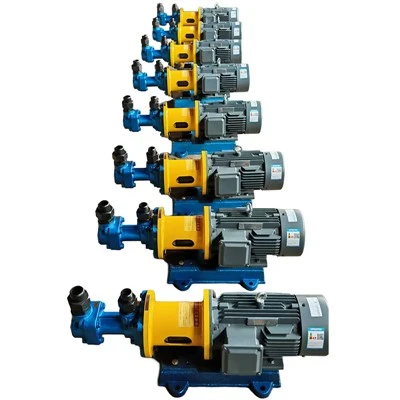
Achieving pressure control of a gear pump is essential for the proper functioning and longevity of your system. There are several methods available, such as relief valves, variable displacement pumps, and throttle valves. By understanding the basics of gear pumps, the importance of pressure control, and the factors to consider, you can choose the right pressure control method for your application.
Diaphragm Pump If you’re in the market for a gear pump or need help with pressure control, don’t hesitate to reach out. I’m here to assist you in finding the best solution for your needs. Whether you’re a small business or a large industrial operation, I’ve got the expertise and the products to get the job done. Let’s have a chat and see how we can work together to optimize your system.
References
- "Hydraulic Systems and Components" by Robert Sheaf
- "Pump Handbook" by Igor J. Karassik, Joseph P. Messina, Paul Cooper, and Charles C. Heald
- "Fluid Power with Applications" by Anthony Esposito
Botou Hengyang Pump & Valve Co., Ltd.
With abundant experience, we are one of the most professional gear pump manufacturers and suppliers in China. Please feel free to buy high standard gear pump made in China here and get pricelist from our factory. All customized pumps are with high quality and competitive price.
Address: No. 159, Road 1, Development Zone, Botou City, Cangzhou, Hebei Province, China
E-mail: bthdbf@163.com
WebSite: https://www.hyoilp.com/
