If you’ve ever scrolled through car forums or caught up with gearheads at a local meetup, you’ve definitely seen the debate: “Should I chop my sway bar?” As a sway bar supplier, I get this question so much I practically have a go-to answer prepped for every customer who walks or calls in. The short version? It’s way less black and white than you’d think, and there’s a whole lot more to it than just “it’s legal” or “it’s not.” Let’s break this down without the stuffy legal jargon and bro science you’d find in 10-year-old forum threads. Sway Bar
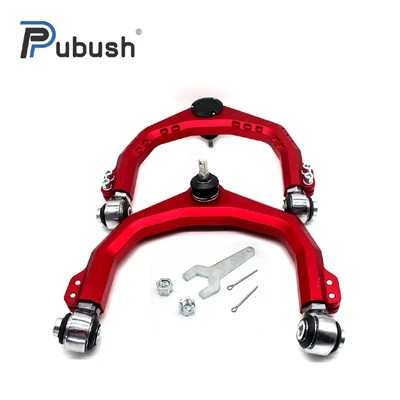
First off, let’s get on the same page about what a sway bar (that’s sway bar, not “swayer bar” for the newbies) actually does. It’s that U-shaped metal rod connecting the left and right sides of your car’s suspension, usually mounted under the chassis. When you turn a corner, your car’s body tries to lean—way too much lean means you’ll feel like you’re going to tip, or worse, your tires will lose grip. The sway bar twists when one wheel goes up and the other goes down, and that twist resists that lean. It’s not the only thing that controls body roll, but it’s the cheapest, easiest part to adjust, which is why so many people mess with it.
Now, legalities. This is where things get super specific, and I can’t stress this enough: what’s totally fine in one state or country could get you a ticket, or even have your car impounded, in the next. Let’s start with the US, since that’s where most of our customers are. Each state (and even individual cities, for the weirdly specific ones) has its own vehicle code, and almost all of them have a rule about “vehicle safety equipment must be intact and functional.” That doesn’t mean you can never remove a sway bar— but it does mean you can’t drive around without it if it’s required by law, and that’s where the confusion comes in.
A lot of people think the sway bar is a “performance-only” part, but that’s not true. On a daily-driven sedan, SUV, or even a pickup that’s used for hauling stuff (which is most pickups), the sway bar is a core safety part. Let’s say you’re driving your family to the beach in a 2018 Honda CR-V and you yank the front sway bar. Now take that same CR-V around a sharp on-ramp at 40 mph—you’ll lean so bad the inside front tire lifts off the ground. That’s not just uncomfortable; that’s a huge crash risk, especially if there’s another car in the next lane. So in states like California, Texas, and New York, modifying or removing factory-installed safety equipment that impairs vehicle operation is a big no-no. You’ll fail your annual safety inspection, and if a cop pulls you over and sees it, they can give you a fix-it ticket (usually $100-$300) and make you put it back before you drive again.
But wait, there are exceptions. Let’s talk about off-road and modified race vehicles. Most states have a loophole for vehicles that are only driven off public roads—so if you’re taking your Jeep Wrangler built for rock crawling out on BLM land and never driving it to the store, you can remove the sway bar all you want. In fact, that’s a common mod for off-roaders: when you’re on super uneven terrain, disconnecting or removing the sway bar lets your wheels flex more, so you keep better contact with the ground. The only catch here? You have to make sure your car isn’t registered for street use, and you’re not driving it on any public roads, even gravel backroads that aren’t paved. Cross that line, and suddenly your off-road mod is a street safety violation.
Then there’s modified street vehicles, like race cars or custom builds. If you’re building a track car that’s only for the local road course, and you register it as a competition vehicle, most states let you remove or swap sway bars for performance. But if you try to put that same race car on the road to get to the track, you’re breaking the law. Same goes for vehicles that have sway bars removed as part of a permanent modification that’s only for show—like a classic muscle car you drive to car shows on weekends. Some states will let you pass inspection if it’s a “historic” vehicle, but others will flag it if they can tell it’s not stock.
Before you think, “Oh, I’ll just drive it at night so no cops see,” that’s not how it works. Cops use speed traps, checkpoints, even license plate readers that flag vehicles with modified safety parts. And if you get in an accident? Removing a sway bar will make your insurance company deny your claim, because they’ll say you modified your car in a way that impaired safety, which is a breach of your policy. I’ve had customers come to us after getting into a fender bender, panicking because their insurance dropped them, and 9 times out of 10 it’s because they removed the sway bar and lied about it.
Now, let’s talk about the other side: when removing a sway bar might technically be legal, but still a bad idea. A lot of people with lowered cars or sports cars think removing the sway bar will make their car “tighter” around corners, but that’s not right. If you remove a sway bar from a stock sports car, you’ll get way more body roll, which makes it harder to control, not easier. The only time removing a sway bar makes sense is if you’re lifting your truck for off-road use, and even then, most off-roaders just disconnect the end links temporarily for tough trails, not remove the whole bar. And if you do remove it, make sure you have a plan—you’ll need to get an alignment right after, because the suspension geometry will be way off, and you’ll wear out your tires in 10,000 miles instead of 50,000.
As a sway bar supplier, I’ve seen every mistake people make with this mod. I’ve had a guy with a Ford F-150 remove the rear sway bar because he thought it would “make his truck handle better for towing”—turns out, it made his trailer sway so bad he almost flipped on the highway. I’ve had a teen with a Civic remove the front sway bar to “drift better” and spin out on a wet road, totaling his car. I’m not here to tell you mods are bad—hell, I sell sway bars, I love mods—but I am here to warn you about the legal and safety stuff that most forums gloss over.
So what’s the takeaway? First, check your state and local vehicle code before you touch your sway bar. If your car is a daily driver on public roads, never remove a factory sway bar unless you’re swapping it for an aftermarket one that’s certified for street use. If it’s an off-road or competition vehicle, make sure it’s registered as such, and you’re only driving it where it’s allowed. If you’re not sure, call your local DMV or a trusted mechanic—don’t take a random forum user’s word for it.
If you are looking to modify your sway bar—whether that’s upgrading to a stiffer one for better cornering, or disconnecting it for off-roading—hit us up. We’ve been supplying sway bars for all types of vehicles for years, and we can help you pick the right part for your use case, whether you’re building a street car, an off-roader, or a track car. We’re not here to push you into mods that’ll get you in trouble or put you at risk—we’re here to make sure your mods are legal, safe, and do what you want them to do.
Before I wrap this up, let’s get one more thing straight: there’s no universal “it’s legal to remove a sway bar” answer. It all depends on where you drive, how you use your car, and whether the sway bar is a required safety part in your area. Don’t let anyone tell you it’s black and white—do your research, follow the rules, and if you’re in doubt, ask the experts.
Suspension Systems By Model References:
- National Highway Traffic Safety Administration (NHTSA) Vehicle Safety Standards, Title 49 CFR Part 571.108
- State of California Department of Motor Vehicles Vehicle Code Section 27150
- Texas Transportation Code Section 547.613
- Automotive suspension modification guidelines from the Specialty Equipment Market Association (SEMA)
Xingtai Refined Machinery and Auto Accessory Co., Ltd.
Xingtai Refined Machinery and Auto Accessory Co., Ltd. is one of the most professional sway bar manufacturers and suppliers in China, featured by quality products and low price. Please rest assured to wholesale durable sway bar made in China here from our factory. Customized orders are welcome.
Address: XINGTAI REFINED MACHINERY AND AUTO ACCESSORY CO., LTD507 NORTH TAIHANG ROAD, XINGTAI CITY, HEBEI PROVINCE, PR.
E-mail: lindy@rfauto.biz
WebSite: https://www.pubush-suspension.com/
