If you’ve ever wandered into a hospital operating room, a high-traffic grocery store, or a bustling retail space, you’ve likely walked on homogeneous vinyl flooring without even noticing. As a supplier that’s been working with this product for over a decade, I’ve lost count of how many times customers come to me asking, “What do I actually need to think about before choosing this stuff?” It’s not just about picking a color that matches your walls—homogeneous vinyl is a workhorse product, designed for spaces that get heavy use, and making the wrong choice can lead to costly repairs, premature replacement, or even compliance issues for regulated spaces. Over the years, I’ve learned that the best decisions come from asking the right questions, and today I want to walk you through the key factors I always bring up to every customer, no matter their project size. Homogeneous Vinyl Flooring
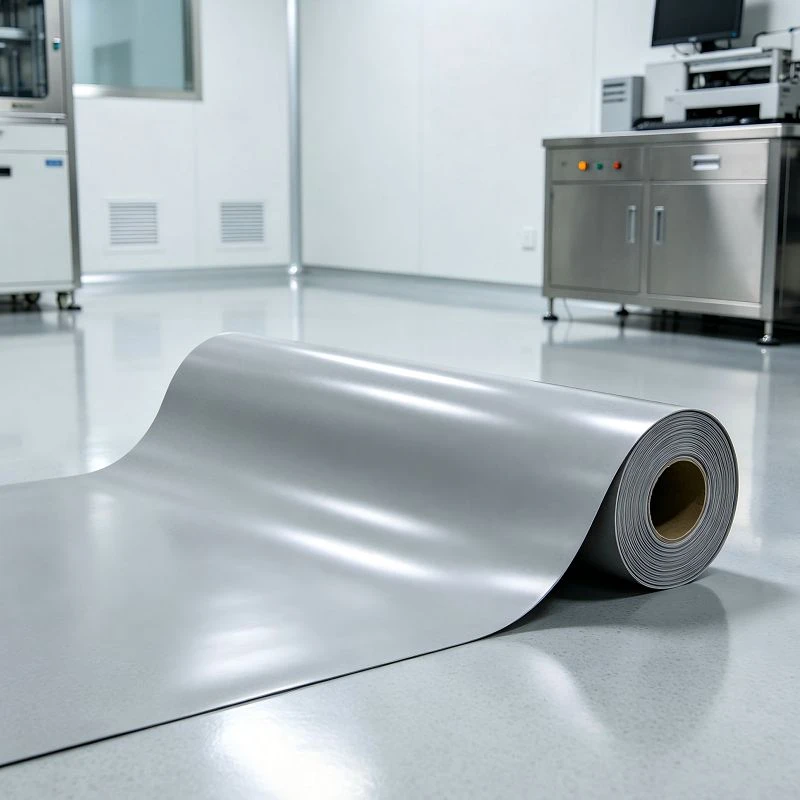
First, let’s get one thing straight: homogeneous vinyl is different from the luxury vinyl plank (LVP) or sheet vinyl you might be thinking of for a home. It’s made from a single, uniform layer of vinyl compound, with pigments, stabilizers, and additives mixed evenly all the way through—scratches don’t just sit on the surface, they’re part of the material, so small scuffs don’t ruin the look as quickly. That uniformity is why it’s the go-to for spaces where durability and cleanability are non-negotiable, but not all homogeneous vinyl is created equal. The first big factor to consider is wear layer thickness, and I can’t stress this enough: not all thicknesses are meant for the same traffic. I’ve had a café owner come to me last year who bought cheap 0.5mm homogeneous vinyl because it was $2 a square foot cheaper, only to have it tear through in the main serving area after 18 months, when a higher-quality 1.2mm product would have lasted 10+ years. The general rule is: lighter commercial spaces—like small offices, doctor’s exam rooms with foot traffic under 100 people a day—can get away with 0.7mm to 1.0mm thickness. But for high-traffic areas: retail storefronts, hospital lobbies, gymnasiums, or corporate break rooms with constant foot traffic, carts, and rolling chairs, you need 1.2mm or thicker. Some manufacturers even make 2.0mm heavy-duty grades for industrial spaces like warehouses or loading docks, where forklift traffic is a daily reality. I always tell customers to map their projected daily traffic for at least a year, and if they’re unsure, round up—paying a little more upfront for the right thickness saves thousands in replacement and labor down the line.
Next, chemical and stain resistance—this is non-negotiable for 90% of the commercial spaces we work with. Hospitals use disinfectants that can etch or discolor flooring; restaurants have food spills, oil, and cleaning chemicals that don’t play nice with cheap vinyl; laboratories need flooring that can handle acids, solvents, and other harsh substances. Here’s the thing about homogeneous vinyl: because it’s all the same layer, its resistance comes from the additives mixed into the base compound, not a separate top coating. So when a customer asks me if a product is “chemical-resistant,” I don’t just look at a spec sheet—I test it myself, usually with common cleaners or chemicals for their space. For healthcare settings, I always recommend products that have been tested for resistance to bleach, hydrogen peroxide, and common hospital disinfectants like quaternary ammonium compounds—they should be able to handle repeated mopping without fading or staining. For food service, I look for resistance to oils, coffee, wine, and tomato-based foods, which are some of the most common stains we see. I recently worked with a school cafeteria that had tried a generic sheet vinyl before, which stained permanently after a year of spilled pizza sauce; we supplied our medium-grade homogeneous vinyl with food-resistant additives, and two years later, there isn’t a single noticeable stain from food. If you’re in a lab or industrial space, you’ll want to check for resistance to specific chemicals your team works with—ask your supplier for independent test data, not just a sales pitch. Also, keep in mind that no homogeneous vinyl is 100% stain-proof, but a good quality product will repel spills long enough for you to clean them up before they set in.
Then there’s slip resistance, a factor that’s not just a matter of aesthetics—it’s a safety issue, and it can lead to liability claims if you get it wrong. The ASTM International, a global standards organization, has specific ratings for slip resistance in flooring, and I always advise customers to align with these, especially if their space is accessible to the public or has wet areas. For spaces with dry, low-traffic foot traffic, a coefficient of friction (COF) of 0.5 is usually sufficient, but for areas that get wet—restroom entrances, swimming pool changing rooms, kitchen prep areas, or hospital shower rooms—you need a COF of 0.6 or higher, per OSHA guidelines. I’ve seen so many businesses cut corners here: a restaurant we worked with a few years ago installed a smooth homogeneous vinyl in their bar area, and within six months, they had three slip-and-fall incidents that cost them tens of thousands in legal fees. When we replaced it with an anti-slip graded product, we didn’t have a single incident in the next five years. That said, slip resistance doesn’t have to mean ugly flooring—modern homogeneous vinyl comes in textured finishes that look just like polished marble or concrete, so you don’t have to sacrifice style for safety. Just make sure you ask for the slip resistance rating relevant to your space, not just a vague “anti-slip” label.
One of the biggest mistakes I see customers make is overlooking acoustic performance, especially in multi-story buildings or spaces where noise is a concern. Homogeneous vinyl is naturally quieter than hard surfaces like ceramic tile or concrete, but not all products have the same sound dampening properties. If you’re installing flooring in an office above a retail space, or in a school where classrooms are stacked above each other, you’ll want to look for homogeneous vinyl with a sound transmission class (STC) rating of at least 55, or a noise reduction coefficient (NRC) of 0.3 or higher. The STC rating measures how much sound is blocked from traveling through the floor, while NRC measures how much sound the surface absorbs. I recently worked with a co-working space that had installed tile before, and members kept complaining about noise from the floor above; when they switched to our 1.0mm homogeneous vinyl with a built-in underlayment layer, the noise complaints dropped by 90%. If you’re installing in a space with rolling equipment—like office chairs, hospital gurneys, or retail carts—look for products that have anti-microbial properties too, as static electricity can build up in vinyl, and some additives will prevent that. Also, for spaces where elderly people or people with disabilities are present, lower noise levels can improve comfort and reduce fatigue, so this isn’t just a “nice to have” feature—it’s part of accessible design.
Another key factor that many people don’t think about until they have to install it is substrate compatibility and ease of installation. Homogeneous vinyl is versatile, but it doesn’t bond well to every type of subfloor, and some products are easier to install than others. If you’re installing over existing concrete, you’ll want to make sure the product is suitable for concrete, and that it has moisture vapor resistance—concrete can release moisture over time, which can cause vinyl to bubble or lift, so look for products with a moisture barrier backing if you’re working with concrete subfloors. If you’re a contractor installing multiple projects, ask about roll width and sheet size—wider rolls mean fewer seams, which are better for durability and cleanability, especially in large open spaces like gyms or auditoriums. Seams are the weakest point in homogeneous vinyl, so fewer seams mean less chance of water or debris getting trapped, which can lead to mold or peeling. I always tell contractors to go with rolls that are at least 12 feet wide for most commercial spaces, as that cuts down on the number of seams by half, and the installation goes faster. Also, make sure you factor in installation labor when choosing a product—some thicker, heavy-duty homogeneous vinyl requires special tools or adhesive, which can add to the cost, while thinner, flexible products are easier for novice installers to work with. If you’re hiring a professional installer, ask them which grades they recommend for your specific subfloor, and always follow the manufacturer’s installation guidelines—cutting corners on adhesive or preparation can ruin even the best flooring.
Sustainability and durability go hand in hand, and more businesses are asking about this now, which makes total sense. Homogeneous vinyl is a long-lasting product, so choosing a product that’s made responsibly means you’re not only investing in a floor that lasts, but also reducing your environmental impact. Look for products that have third-party certifications like FloorScore, which ensures the product has low levels of volatile organic compounds (VOCs), so it doesn’t off-gas harmful chemicals into the air, which is especially important for hospitals, schools, and occupied spaces. Another certification to look for is the Environmental Product Declaration (EPD), which details the environmental impact of the product from raw material extraction to disposal. Some homogeneous vinyl products are also made with recycled vinyl content—many manufacturers use post-industrial vinyl waste to make new products, so asking about recycled content is a great way to reduce your carbon footprint. Also, keep in mind that homogeneous vinyl is recyclable at the end of its life, unlike sheet vinyl that has multiple layers, so if you’re concerned about waste, this is a big plus. I recently worked with a hospital that wanted to reduce its environmental impact, and we supplied them with a homogeneous vinyl product made with 30% post-consumer recycled vinyl, that had FloorScore certification, and a 15-year warranty—they met their sustainability goals without sacrificing durability or performance.
Last but definitely not least, warranty and after-sales support. A good homogeneous vinyl flooring supplier will stand behind their product, and a solid warranty is a sign that the manufacturer has tested their product thoroughly. Warranties vary a lot: some only cover manufacturing defects, while others cover wear, stains, and even damage from traffic for 10, 15, or even 20 years. When I quote a customer, I always go over the warranty in detail, because a longer warranty isn’t always better—some warranties have fine print that only covers certain conditions, or require you to use specific adhesive or installers to be valid. Ask about what’s covered, how to make a claim, and what the process is for repairs. Also, ask about after-sales support: do they have a technical team that can help with installation issues? Can they provide replacement tiles or rolls if you have damage a few years down the line? I’ve had customers come to me years after installation needing a small replacement patch, and I’m always happy to help—good support doesn’t end when the sale is done. At the end of the day, choosing homogeneous vinyl is a long-term investment, not a one-time purchase, so you want to work with a supplier that will be there for you when you need them, not just when you’re placing an order.
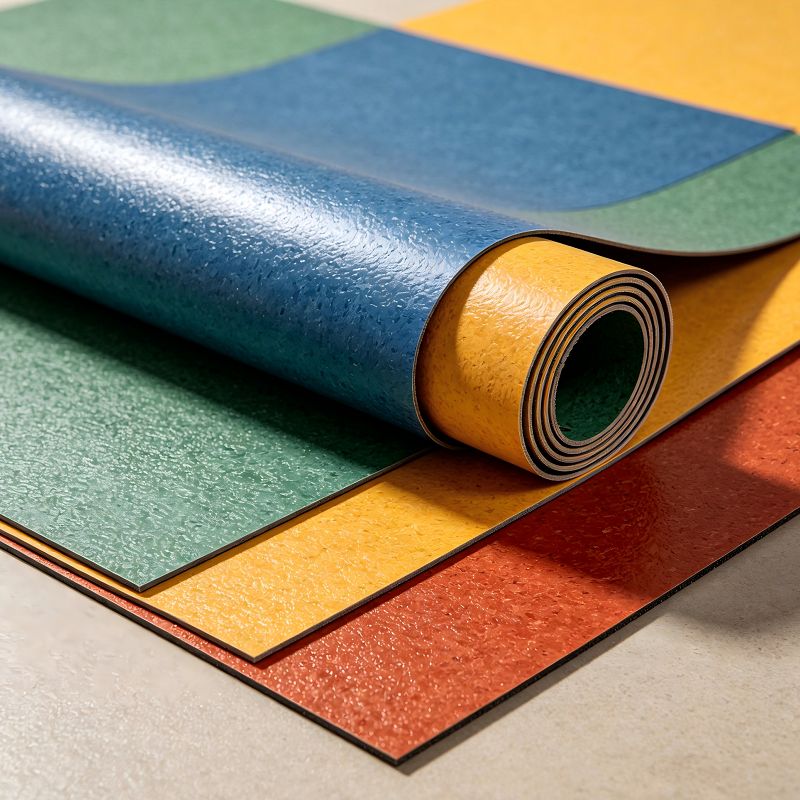
I know this is a lot to take in, but if you’re still unsure about what product is right for your space, the best thing you can do is talk to an expert. When you reach out, come prepared with details about your space: daily foot traffic, what types of activities happen there, any specific hazards (like chemicals, water, or heavy equipment), and your budget. As a homogeneous vinyl flooring supplier, I’ve seen every scenario—from small retail shops to large hospitals to industrial warehouses—and I can help you find a product that checks all your boxes, without overspending or cutting corners on durability. The right flooring doesn’t just look good—it makes your space safer, easier to clean, and more comfortable for everyone who uses it, so don’t leave this decision to guesswork. Reach out today to discuss your project, and let’s find the perfect homogeneous vinyl solution for you.
Homogeneous Vinyl Flooring References
- ASTM International. (2022). Standard Test Method for Static Coefficient of Friction of Polish-Coated Floor Surfaces as Measured by the James Machine. ASTM C1028.
- National Safety Council. (2021). Slip Resistance in Commercial Flooring: A Guide to Safety and Compliance.
- FloorScore Certification Program. (2023). Product Certification Requirements for Low-Emitting Flooring Materials.
- World Health Organization. (2020). Guidance on Flooring for Healthcare Settings: Durability, Cleanability, and Infection Control.
- Resilient Floor Covering Institute. (2022). Homogeneous Vinyl Flooring Installation Best Practices for Commercial Spaces.
Qingdao Xinkailin Environmental Protection Materials Co., Ltd.
As one of the most professional homogeneous vinyl flooring manufacturers and suppliers in China, we’re featured by quality products and good price. Please rest assured to buy premium homogeneous vinyl flooring for sale here from our factory. Also, custom service is available.
Address: Room 618, Hedaxinduhui, No. 196 Tailiu Road, Shibei District, Qingdao City
E-mail: laura@xklflooring.com
WebSite: https://www.xklflooring.com/
